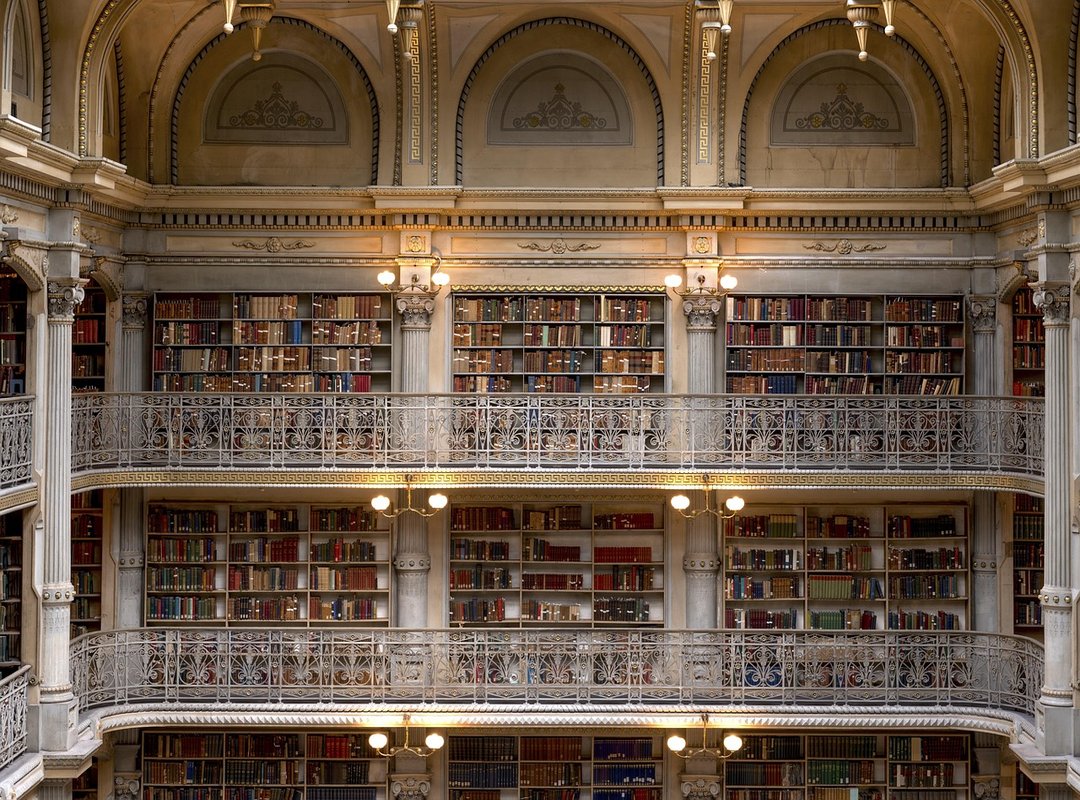
You think the Mark Library Flpsymbolcity is just for checking out paperbacks and returning them late.
I’ve heard that same thing a hundred times.
It’s not. Not even close.
Most people walk past the front desk without knowing what’s hiding in plain sight.
Free audiobooks. Streaming movies. Local history archives.
Free tax help. Sewing machines you can borrow. Career coaching.
Teen game nights. Baby sign language classes.
Yeah. All real. All free.
All at your library.
I’ve spent years watching how this place changes lives (not) with hype, but with quiet consistency.
It’s where kids get their first library card and adults land their next job.
This isn’t a list of “cool things.” It’s a no-fluff map to what actually works.
You’ll walk away knowing exactly which resources are worth your time (and) which ones most people miss entirely.
No jargon. No gatekeeping. Just what’s there, and how to use it.
Your Digital Library: Free Stuff That Actually Works
I used to pay for three streaming services. Then I got a library card.
Flpsymbolcity showed me how to stop paying. And start borrowing instead.
Libby is the easiest way in. You open it, type your library card number, and boom. E-books and audiobooks appear.
No waiting. No late fees. Just tap and go.
Some people think Libby only has old stuff. Wrong. I just borrowed The Ministry of Time (published) last year.
OverDrive is the same tech under the hood. Some libraries brand it separately. Doesn’t matter.
Same login. Same books.
Kanopy? Hoopla? Both free with that same card.
Kanopy has Criterion films and BBC docs. Hoopla adds indie movies and TV shows. One library card.
Zero dollars.
You’re probably thinking: But my library doesn’t offer that.
Check again. Most do. If yours doesn’t (ask) them.
Seriously. Libraries respond to demand.
Streaming subscriptions cost $15 ($20) each. Two of those is $40 a month. That’s $480 a year.
For what? Mostly ads or content you skip.
LinkedIn Learning and Coursera let you take full courses. For free (through) many libraries. Not watered-down versions.
Real classes. Coding. Business writing.
Even UX design.
I built a portfolio using LinkedIn Learning videos. All unlocked with my library login.
Digital magazines? PressReader gives you The New Yorker, Wired, National Geographic. Same day as print.
No paywall.
Newspapers too. NYT, Wall Street Journal, Guardian. All free if your library subscribes.
Mark Library Flpsymbolcity is where I first saw this laid out clearly. No jargon, no fluff.
Magazines teach you how to write better emails. Documentaries explain AI without buzzwords. E-books help you sleep instead of scrolling.
You don’t need more apps. You need one card.
Go get yours.
More Than Books: Story Times, Tech Help, and Real Community
I walk into the library and hear kids shrieking over a puppet show. Not quiet whispers. Actual joy.
That’s the point.
This isn’t just shelves and silence. It’s where families land on Tuesday mornings for story times that actually hold attention. No screens, just voices, rhythm, and a well-worn dragon puppet named Gary.
Summer reading? Yeah, it’s not just a checklist. It’s a scavenger hunt across town with local shops, plus free ice cream at the end.
I’ve seen kids beg to read more just to earn another scoop.
STEM workshops happen in the basement. Not with lab coats. With cardboard, glue guns, and one very patient librarian who once helped a 9-year-old build a working catapult out of rubber bands and popsicle sticks.
Teens get real things too. Not just “leadership seminars.” They run the gaming club. They plan the food drive.
They prep résumés with someone who’s hired people (not) a PowerPoint slide.
Adults? Tech Help Tuesdays are packed. No jargon.
Just “Show me how to text my daughter without sending three photos of my cat.” (We all have that aunt.)
Book clubs split by genre. Mystery, romance, sci-fi (and) they argue. Loudly.
It’s great.
Financial literacy workshops? Yes. Led by a credit counselor who says “compound interest” like it’s gossip.
Seasonal events tie it together. Fall festival with cider and voter registration tables. Winter craft fair with local teens selling handmade mugs.
The library is the only place where a toddler, a high schooler, and a retiree all show up for different reasons (and) leave feeling like they belong.
That’s why “Mark Library Flpsymbolcity” isn’t just an address. It’s shorthand for “the place where stuff actually happens.”
You ever walk in thinking you’d just grab a book. And leave with a new skill, a friend, or a kid who just learned how to code a robot turtle?
I wrote more about this in Free Marks Flpsymbolcity.
Your Library’s Secret Menu
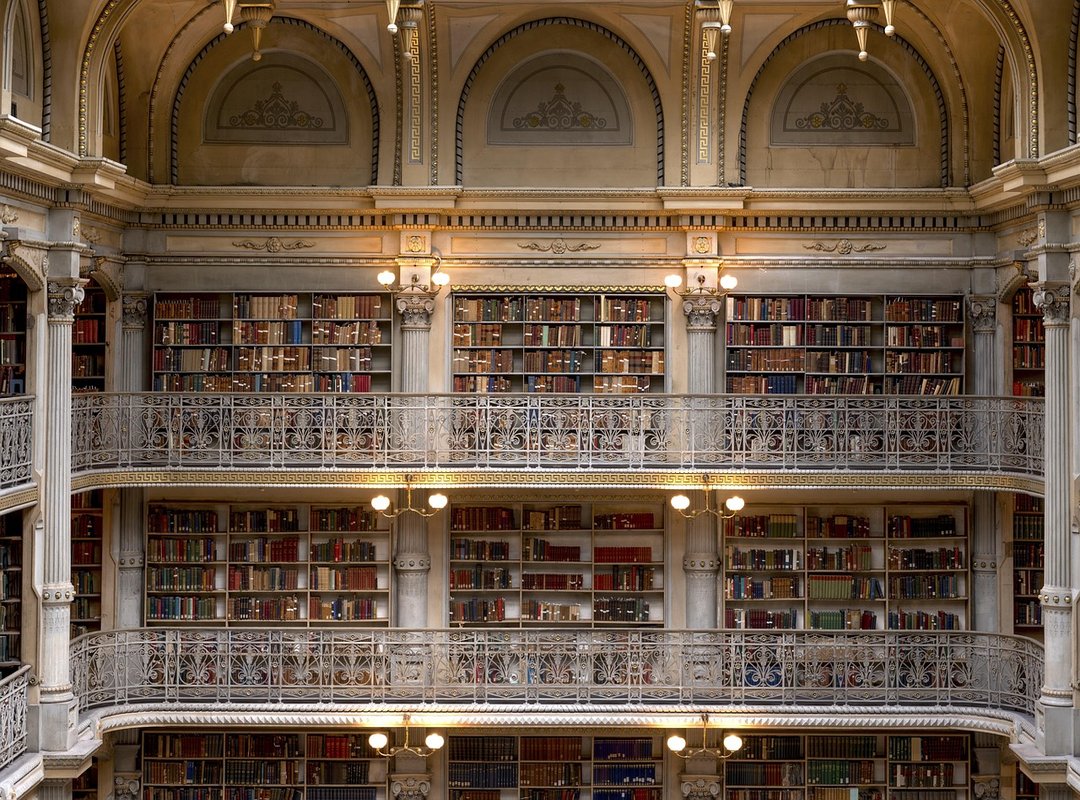
I walked into my local library thinking I’d just grab a book.
Then I saw the sign for museum passes.
They’re free. You reserve them online or at the desk. Mine got me into the Natural History Museum and the Science Center (no) credit card, no line, no guilt about the $28 admission.
Some libraries even lend tools. My branch has cordless drills, pressure cookers, and ukuleles. (Yes, really.
A guy borrowed a mandolin last week and returned it with a note: “Tuned. Played ‘Wonderwall.’ No regrets.”)
They also stock seeds. Not fancy heirlooms. Just tomato, basil, zucchini.
You take what you need. You grow it. You save seeds next year.
It’s gardening, not capitalism.
Public computers? Yes. Free Wi-Fi that actually works?
Also yes. Printers, scanners, even a 3D printer that spits out functional phone stands (I tested one (it) held my phone upright for 17 hours).
They’ve got Mark Library Flpsymbolcity in their local history archive. That’s not a typo. That’s the real name of a micro-collection on early city zoning maps and fire insurance surveys.
Students use it. Genealogists dig through it. I used it to settle a bet about whether my apartment building was originally a bakery.
(It was.)
And then there’s the research side. JSTOR. Ancestry Library Edition.
Consumer Reports archives. All free. If you’re inside the library or logged in with your library card.
No paywall. No trial period. Just access.
If you think libraries are only for books, you’re missing half the service. Especially if you haven’t checked out the Free Marks Flpsymbolcity guide yet. It lists every obscure perk your branch might offer (and) how to ask for it without sounding like you’re negotiating a hostage situation.
Go. Ask. Take the seed packet.
Reserve the drill. Your tax dollars are already paying for it. You might as well use them.
Get Your Library Card. Fast
I got mine last Tuesday. Took twelve minutes.
You need ID and proof of address. That’s it. No essays.
No interviews. (Yes, really.)
Online registration works (but) you’ll still need to visit a branch to pick up the physical card.
Find hours and locations on the official site. They change sometimes. (Especially around holidays.)
Mark Library Flpsymbolcity is the one you want.
All logos? Check Logo Listings Flpsymbolcity
Your Local Library Is Already Waiting
I’ve seen people pay for streaming. Pay for classes. Pay for tools they already own.
Mark Library Flpsymbolcity gives it all to you. Free.
No gatekeeping. No hidden fees. Just real stuff you need: movies, music, workshops, tech help, even museum passes.
You’re tired of missing out. Tired of signing up for yet another subscription.
This isn’t some dusty book warehouse. It’s your neighborhood resource (fully) digital, fully open, fully yours.
You already live here. You already qualify.
So why wait?
Go to the Mark Library Flpsymbolcity website right now.
Click “Get a Card” or scroll to “Upcoming Events.”
Two minutes. That’s all it takes to stop overpaying. And start using what’s yours.
 Amber Derbyshire is a seasoned article writer known for her in-depth tech insights and analysis. As a prominent contributor to Byte Buzz Baze, Amber delves into the latest trends, breakthroughs, and developments in the technology sector, providing readers with comprehensive and engaging content. Her articles are renowned for their clarity, thorough research, and ability to distill complex information into accessible narratives.
With a background in both journalism and technology, Amber combines her passion for storytelling with her expertise in the tech industry to create pieces that are both informative and captivating. Her work not only keeps readers up-to-date with the fast-paced world of technology but also helps them understand the implications and potential of new innovations. Amber's dedication to her craft and her ability to stay ahead of emerging trends make her a respected and influential voice in the tech writing community.
Amber Derbyshire is a seasoned article writer known for her in-depth tech insights and analysis. As a prominent contributor to Byte Buzz Baze, Amber delves into the latest trends, breakthroughs, and developments in the technology sector, providing readers with comprehensive and engaging content. Her articles are renowned for their clarity, thorough research, and ability to distill complex information into accessible narratives.
With a background in both journalism and technology, Amber combines her passion for storytelling with her expertise in the tech industry to create pieces that are both informative and captivating. Her work not only keeps readers up-to-date with the fast-paced world of technology but also helps them understand the implications and potential of new innovations. Amber's dedication to her craft and her ability to stay ahead of emerging trends make her a respected and influential voice in the tech writing community.