Faster Speeds, Smarter Devices
5G isn’t future tech anymore it’s baked into your pocket, your wrist, maybe even your living room. What makes it different from past connections is how it slashes latency and cranks up bandwidth. Translation: your device talks to the network faster, and it can handle a lot more data at once. For vloggers and creators, that means real time uploads, stable livestreams, and instant responsiveness when you’re editing, uploading, or engaging on the go.
Everyday gadgets are starting to expect this kind of speed. Smartphones are designed with 5G in mind some now handle multi cam video or shoot, edit, and share in seconds, all on the fly. Laptops are leaning into it with faster downloads and seamless cloud syncing. Wearables? They’re not just step counters anymore. With 5G, a smartwatch can stream music, track health metrics, and coordinate with your other devices, all without lag.
The shift is invisible but huge. Users may not notice the jump at first but once they’ve experienced apps opening instantly, videos streaming flawlessly, or editing a 4K vlog from a park bench, they’re not going back.
The New Standard for Smart Homes
5G isn’t just about speed it’s about stronger, smoother connections that make your devices work better together. In the smart home, that means everything from your TV to your fridge talks to each other with less lag and higher reliability. Older wireless setups struggled when too many devices were online at once. 5G handles that load without breaking a sweat.
Always on connectivity is the new baseline. Thermostats adjust in real time based on motion sensors. Security cams send instant alerts with zero buffering. Smart ovens sync with your phone without dropped signals. It all feels less clunky and more intuitive because the connection is just there fast, stable, and silent.
The backbone behind it: lower latency and better bandwidth. Compared to Wi Fi or 4G setups, 5G minimizes delays and fluctuations. For IoT heavy homes, this means fewer errors, faster commands, and a setup that just does what it’s supposed to without you needing to fix it every other week.
Unlocking Mobile Gaming and AR Experiences
Gaming Without Limits
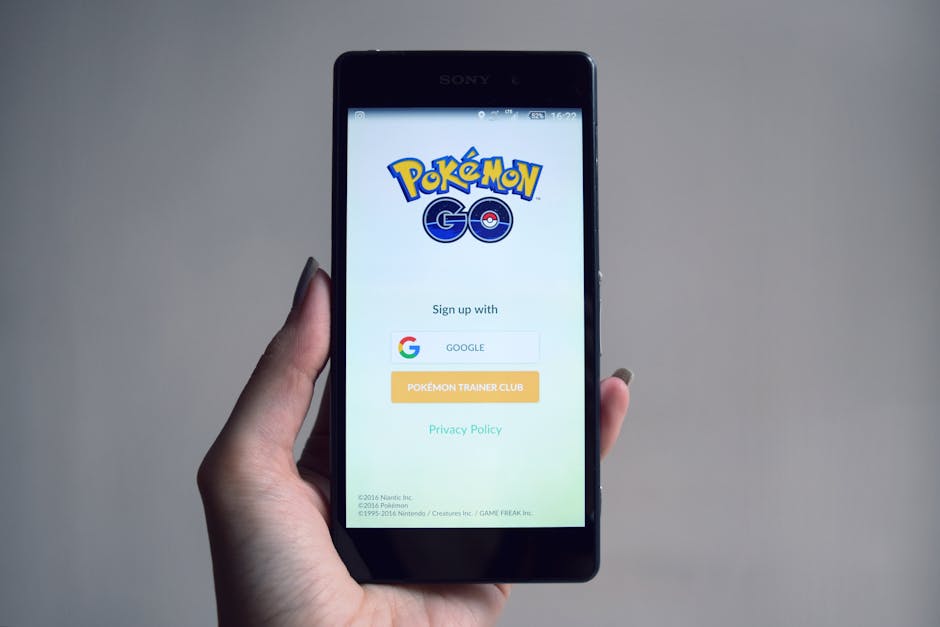
One of the most compelling impacts of 5G is its ability to bring console level gaming to mobile devices no Wi Fi needed. With 5G’s significantly reduced latency and increased bandwidth, gamers can enjoy high quality, lag free experiences right from their smartphones, tablets, or portable consoles.
Seamless online multiplayer and cloud gaming
Lower ping times allow for faster response and smoother gameplay
No more reliance on high speed home internet networks
Augmented Reality on the Move
AR used to be limited by hardware and connectivity, but 5G is changing that. With faster speeds and more stable connections, augmented reality experiences no longer require tethered setups or location based constraints. This opens new possibilities for mobile AR in everything from entertainment to education.
AR apps can now deliver real time overlays without hesitation
Enhanced accuracy for GPS based or spatial aware AR experiences
Retail, navigation, and gaming apps integrating AR with real time data
Developers Build for a 5G Future
With the rise of 5G, developers are no longer constrained by network limitations. They’re creating experiences that are specifically optimized for mobile first, high bandwidth environments.
Games that stream assets dynamically instead of relying on huge local downloads
Real time multiplayer experiences scaled to vast environments
AR and VR integrations that blend the physical and digital worlds on the fly
As devices and networks continue to evolve, we’re just beginning to tap into the creative potential of 5G powered mobile experiences.
Smarter Cities, Connected Vehicles
5G is doing more than just speeding up personal devices it’s laying the groundwork for intelligent cities and next gen transportation systems built around constant, real time connectivity.
Real Time Traffic Systems & Safer Navigation
One of the most transformative aspects of 5G in urban environments is how it’s enabling real time data exchange between vehicles, infrastructure, and cloud systems. This empowers smarter traffic management and paves the way for safer navigation:
Traffic lights that adjust based on actual flow
Dynamic rerouting for emergency vehicles
Fewer delays thanks to predictive congestion control
With latency cut to near zero, decisions that took seconds can now occur in milliseconds crucial for accident prevention and vehicle automation.
Growth of Vehicle to Everything (V2X)
Vehicle to Everything (V2X) communication where cars, infrastructure, and even pedestrians exchange data is becoming more feasible as 5G networks expand:
Cars talk to each other about road hazards or sudden stops
Real time interactions with road infrastructure (e.g., signage, construction zones)
Potential for smoother traffic flow and safer pedestrian zones
With more markets rolling out robust 5G coverage, V2X will shift from pilot programs to everyday commuting tools.
5G’s Role in Public Transport and Urban Planning
Public transit and city planning are gaining sophistication, thanks to 5G enabled data collection and analytics:
Buses and trains sharing GPS and capacity data in real time
Optimization of routes based on commuter patterns
Smarter infrastructure deployment based on real usage trends
5G transforms cities into responsive environments where public resources can adjust dynamically to meet real time demand, improving safety and efficiency for everyone on the move.
Tied Tech: 5G, Edge Computing, and AI
5G isn’t just about faster downloads. It’s the backbone fueling split second decisions by AI right at the edge of the network. In plain terms: your smart devices no longer need to phone home to a faraway server every time they encounter something new. Instead, they can process data locally, faster and more efficiently.
That edge speed matters. A self learning security camera can now recognize a face or a package in real time. Smart speakers adjust preferences mid conversation. Even wearables are getting sharper learning from your routines and reacting in the moment, not a few minutes later. The low latency and high throughput of 5G makes these micro decisions feel instant.
This combo 5G plus AI at the edge is what will drive truly adaptive tech. Devices become less about receiving commands and more about anticipating them.
Explore more on this synergy: AI tech transformation
What This Means for the Everyday User
5G isn’t just a buzzword it’s changing how consumers use devices day to day. App downloads that used to take minutes now finish in seconds. Streaming starts instantly, usually without buffering, even in places that struggled with a signal before. Real time collaboration tools whether it’s work meetings, group edits, or multiplayer games actually feel real time.
Video calls are smoother and glitch free more often, with higher quality audio and video. Screens freeze less, voices cut out less it just works better. Sharing content is faster too, especially large files like 4K videos or RAW images.
For anyone buying a new phone, tablet, or laptop, there are two things to check: 5G compatibility and processor optimization for it. Not all devices labeled “5G” make full use of the network’s speed. Look for ones designed with 5G as a core feature, not just a checkbox. This isn’t just future proofing it’s buying something built for now.
If you’re wondering what’s making all of this possible ultra fast gaming, seamless smart homes, real time AI on your wrist it all traces back to the backbone: 5G infrastructure. This isn’t just faster signal towers. We’re talking about a whole new network grid built for speed, reliability, and low latency at scale. From densely packed cities to remote towns, the 5G rollout is changing how devices communicate, how data flows, and how users experience the digital world.
To dig deeper into how this massive shift is redefining connectivity from the ground up, check out the full breakdown here: 5G revolution explained.